Chayei Sarah: When Heaven Marries Earth
This is the handout for this week’s Pizza & Parsha on Parshat Chayei Sarah: a warm-up, five stations and one big idea, each with a question to think about. Listen to it read aloud (13 min), read it below, or download the PDF (print-friendly or full colour).
Pizza & Parsha · Parshat Chayei Sarah
Learn this in person with Rabbi Fuchs: Wed 4 Nov, 7:30-8:30 pm (London). Fresh pizza, a lively discussion, for university students and post grads. Location shared when you RSVP.
When Heaven Marries Earth
Is the Pizza Holy?
Take a good look at the pizza in front of you. Cheese, sauce, dough. Is it holy, or is it just food?
On its own, a slice of pizza is about as earthly as it gets. It came from wheat in a field, milk from a cow, tomatoes from a vine. Nothing about it looks spiritual.
But watch what happens next. Someone makes a bracha before eating. Someone eats so they have energy to learn, to help a friend, to do a mitzvah. Suddenly the same slice is part of something bigger. The pizza didn’t change. What changed is what we did with it.
That is the whole story of this week’s parsha in one slice. Chayei Sarah is about a wedding: the marriage of Yitzchak and Rivka. But underneath, it is about a much bigger wedding. It is the story of heaven marrying earth.
Can something ordinary become holy? Or does holiness only belong in shul?
Yitzchak, the Man of Pure Spirit
Imagine someone so holy that he was not allowed to leave the Land of Israel. Not for a wedding, not for a famine, not even to find a wife.
Yitzchak’s life was holy from the very start. He was a miracle child, born to Avraham and Sarah when they were 100 and 90 (Bereshit 17:17, 21:5), and he was the first Jew to have a bris at eight days old (Bereshit 21:4).
The turning point came at the Akedah (Bereshit 22). According to Chazal he was already 37 (Rashi on Bereshit 23:2; Seder Olam Rabbah 1), a grown man who could easily have refused his elderly father. Yet he went willingly, let himself be bound, and lay on the mizbeach ready to give his life for Hashem (Bereshit 22:9; Bereshit Rabbah 56:8).
Hashem stopped the knife, but something permanent happened in that moment. Yitzchak had offered himself completely, so from then on he had the status of an olah temimah, a perfect offering (Rashi on Bereshit 26:2; Bereshit Rabbah 64:3). An olah is the korban that is burned entirely for Hashem, with nothing left for anyone’s ordinary use (Vayikra 1:9). Yitzchak became that kind of person: wholly given over to holiness. The Midrash says that after the Akedah he spent his years learning Torah in the yeshiva of Shem and Ever, not out in the world (Bereshit Rabbah 56:11; Targum Yonatan on Bereshit 22:19).
Just as a korban taken outside its holy boundary becomes disqualified, Yitzchak could not leave the holy boundary of Eretz Yisrael (Bereshit Rabbah 64:3). We see how seriously this was taken. When it was time for him to marry, the most important step in building the Jewish people, Avraham didn’t send Yitzchak to find a wife. He sent Eliezer, and made him swear twice never to take Yitzchak back there, even if it meant the match falling through (Bereshit 24:6, 24:8).
Years later a famine struck, the very same situation in which Avraham had gone down to Egypt (Bereshit 12:10). This time Hashem appeared to Yitzchak and told him not to go, because a perfect offering does not belong outside the Land (Bereshit 26:1–3, with Rashi).
אַל־תֵּרֵד מִצְרָיְמָה שְׁכֹן בָּאָרֶץ
Not for a wife and not for food: twice, when ordinary life gave every reason to leave, Yitzchak stayed. That is the clearest sign of who he was. Yitzchak represents heaven in our story: a person so holy that he belonged entirely to heaven, and that is exactly why someone else would have to bring the world to him.
Is it good to be holy?
Rivka, a Rose Among Thorns
Picture a beautiful rose growing in the middle of a thorn bush. Sharp branches all around it, and yet the flower is perfect.
That is Rivka. She grew up in Charan, far from Avraham’s home, in a family that was anything but holy. Her father Betuel and her brother Lavan were known as tricksters and idol worshippers. When the Torah tells us about her marriage, it reminds us exactly where she came from: she was “the daughter of Betuel the Aramean, the sister of Lavan the Aramean” (Bereshit 25:20). But we already know who her family is, so why repeat it? Rashi answers that the Torah is praising her. She was the daughter of a wicked man, the sister of a wicked man, and lived among wicked people, yet she did not learn from their ways. The Midrash describes her with a verse from Shir HaShirim: she was “like a rose among the thorns” (Bereshit Rabbah 63:4).
כְּשׁוֹשַׁנָּה בֵּין הַחוֹחִים
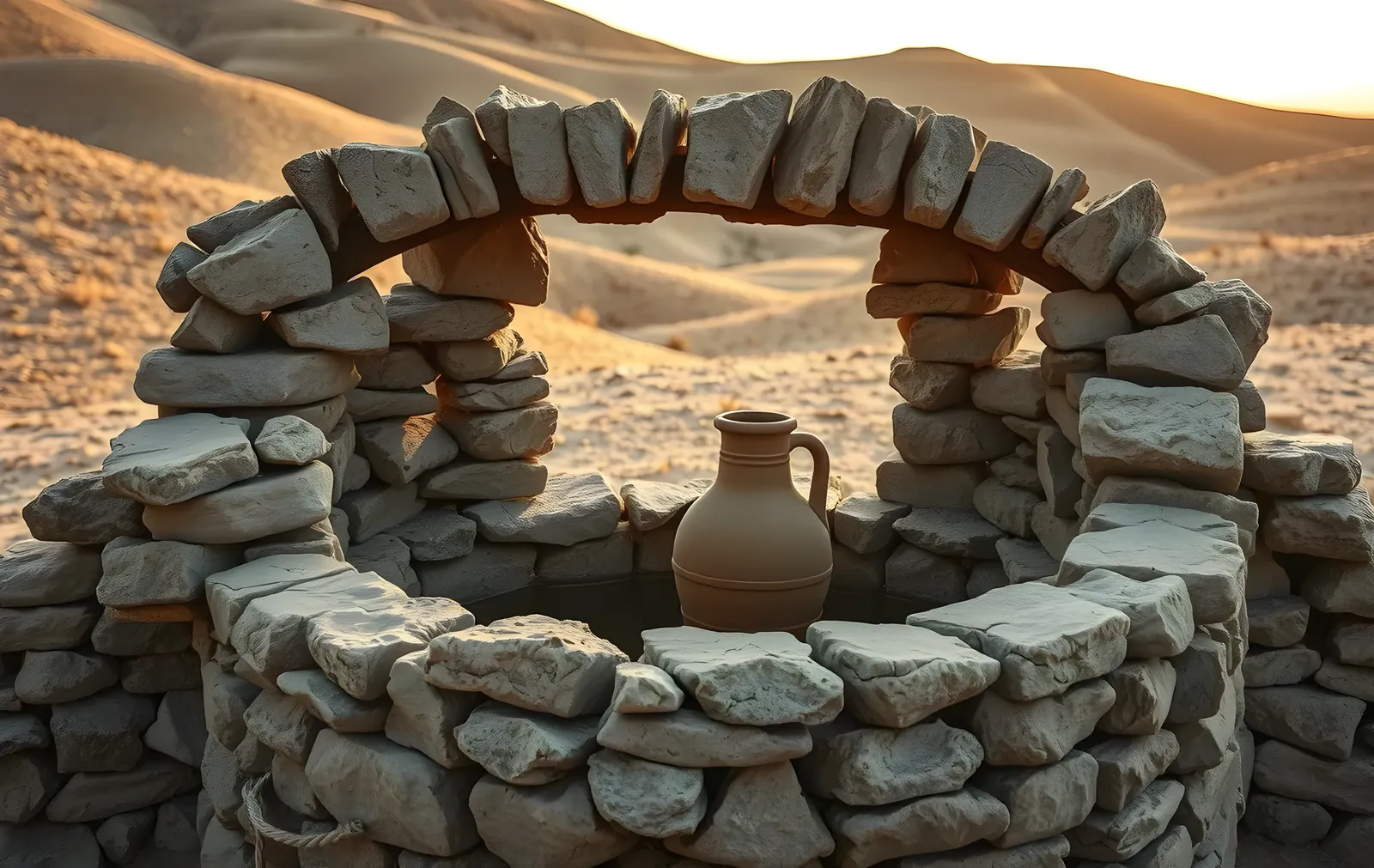
Notice also how we first meet Rivka. She is not praying or learning. She is at the well, carrying a heavy jug, running back and forth to give water to ten thirsty camels (Bereshit 24:18–20). Her kindness is hands-on, physical, real-world kindness.
This is why Rivka represents earth in our story. She is the physical world, with all its mess and challenge, and the goodness that can grow right inside it.
Why would Hashem choose someone from such a difficult place to become one of the mothers of the Jewish people?
Eliezer, the Man on a Mission
The Torah is famous for saving words. Whole areas of halacha are learned from a single extra letter. So why does it spend almost 70 pesukim on one servant finding one wife?
This is the longest chapter in the whole of Sefer Bereshit. First the Torah tells us everything that happens to Eliezer at the well. Then Eliezer repeats the entire story, almost word for word, to Rivka’s family. Rashi, quoting the Midrash, explains that the conversation of the servants of the Avot is more beautiful to Hashem than the Torah of their children (Rashi on Bereshit 24:42, from Bereshit Rabbah 60:8). If the Torah tells this story twice, it cannot be a small story. It must be one of the most important things that ever happened.
יָפָה שִׂיחָתָן שֶׁל עַבְדֵי אָבוֹת לִפְנֵי הַמָּקוֹם מִתּוֹרָתָן שֶׁל בָּנִים
Why is it so important? Because Eliezer’s job was to join Yitzchak and Rivka. He had to bring heaven and earth together. And he did not do it as a private person. He did it as a shaliach, a messenger. Our Sages teach that a person’s messenger is like the person himself (Mishnah Berachot 5:5). When Eliezer spoke, it was as if Avraham himself was speaking.
Every one of us is a shaliach too. Hashem sends each Jew into the world with the same mission Eliezer had: to find the good in the physical world and connect it to holiness.
If you are Hashem’s shaliach, what is one “match” you could make this week between something ordinary in your life and something holy?
The Meeting in the Field
When two people need to meet, who has to travel? Sometimes the only way to meet is for both of them to move.
Rivka is on her way from Charan, riding a camel across the desert toward the Land of Israel. And Yitzchak? For once, he leaves his usual place. The Torah tells us that Yitzchak “went out to pray in the field toward evening” (Bereshit 24:63). Rashi explains that the word lasuach means prayer, and Chazal teach that this was the very first Mincha, the afternoon prayer (Berachot 26b). Mincha is the tefillah we daven in the middle of a busy day, right in the middle of work and errands. It is the prayer of someone who steps out of the ordinary world for a moment to connect with Hashem.
וַיֵּצֵא יִצְחָק לָשׂוּחַ בַּשָּׂדֶה לִפְנוֹת עָרֶב
Now look at where they meet. It is not in Yitzchak’s holy home, and it is not in Rivka’s lowly home in Charan. They meet in the field, somewhere in between. Yitzchak steps out a little, Rivka travels a long way, and they meet in the middle.
That is how heaven and earth come together. Holiness can’t stay locked away, and the world can’t stay exactly as it is. Each side has to move toward the other.
In your own life, what does it look like to “go out to the field”? Where could you bring a bit of holiness into a place where it doesn’t usually go?
Inside Sarah’s Tent
What makes a house a home? Is it the walls and the furniture, or something you can’t see?
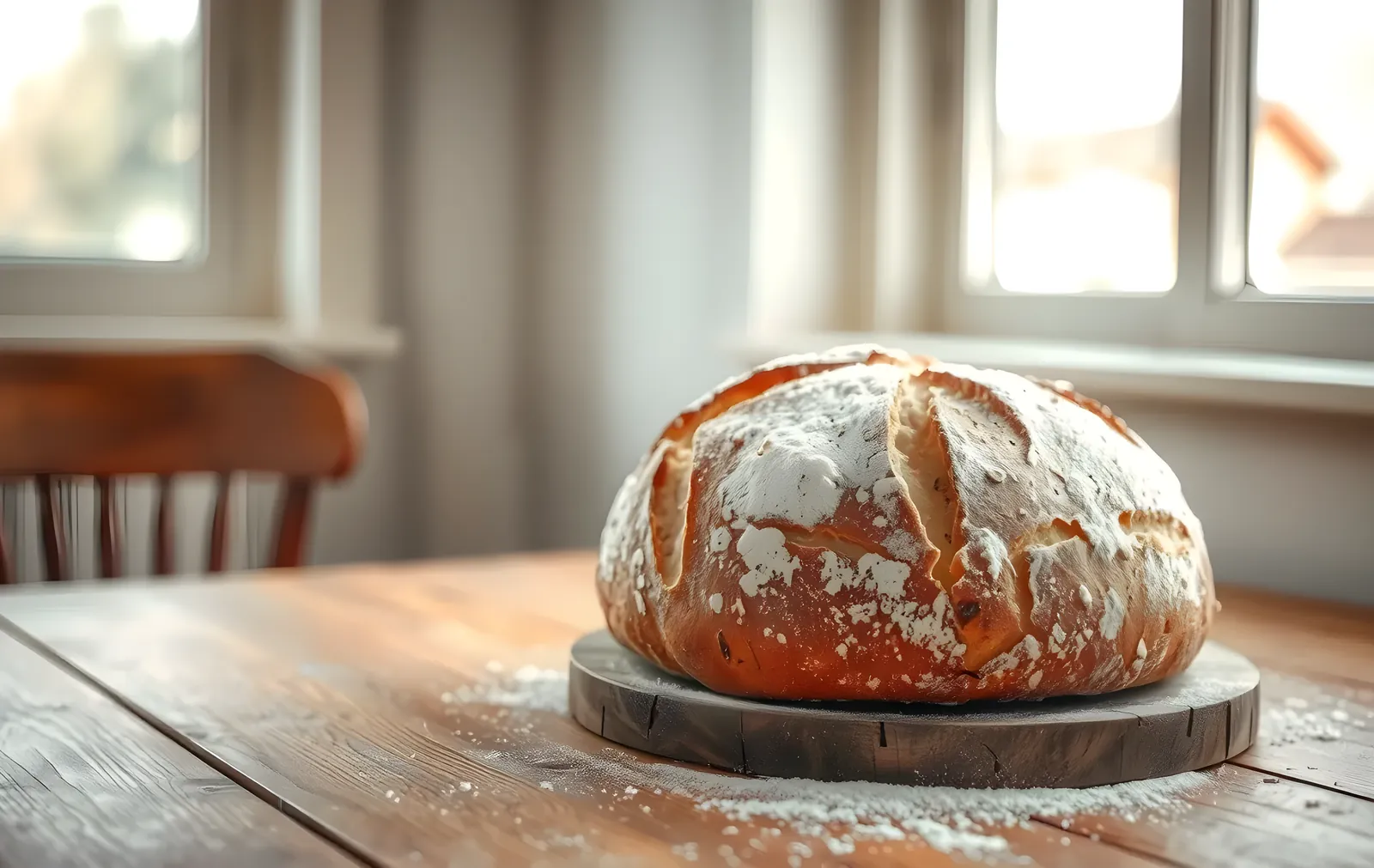
When Sarah Imeinu was alive, her tent was a special place. After she passed away, something was missing. Then the Torah tells us that Yitzchak “brought her into the tent of Sarah his mother” (Bereshit 24:67). Rashi, based on the Midrash (Bereshit Rabbah 60:16), explains that three miracles had stopped when Sarah died, and they all came back the moment Rivka walked in. There was a candle that stayed lit from one Erev Shabbat all the way to the next. There was a blessing in the dough, so the bread went further than it should. And there was a cloud of Hashem’s presence resting over the tent.
וַיְבִאֶהָ יִצְחָק הָאֹהֱלָה שָׂרָה אִמּוֹ
Look carefully at these three signs. A candle, bread and a tent are everyday, physical things, yet each one was filled with Hashem’s blessing. That is what happens when heaven and earth truly marry. Holiness doesn’t float somewhere above the home; it shows up right in the kitchen.
And notice the second sign: a blessing in the dough. Sound familiar? Take another look at your pizza.
What are the “candle, dough and cloud” in your home? Which ordinary things there could carry a bit of holiness?
A Home for Hashem Down Here
Why did Hashem create the world at all? He didn’t need it. So what does He want from it?
The Midrash gives a short and powerful answer: Hashem desired to have a dwelling place in the lower worlds (Midrash Tanchuma, Naso 16). This is called dira b’tachtonim, a home for Hashem down here. Hashem doesn’t only want to be found in heaven. He wants to live right here, in our physical world, with its fields, camels, tents and pizza. The Tanya (chapter 36) explains that this is the purpose of all of creation.
נִתְאַוָּה שֶׁיְּהֵא לוֹ דִּירָה בַּתַּחְתּוֹנִים כְּמוֹ שֶׁיֵּשׁ בָּעֶלְיוֹנִים
Now look back at our journey. Yitzchak is heaven: pure, holy and set apart. Rivka is earth: physical, from a difficult place, yet full of goodness. Eliezer is the shaliach who brings them together, just like each of us. The meeting in the field shows that both sides have to move toward each other. And Sarah’s tent shows the result: an everyday home filled with Hashem’s blessing.
That is our job too. Every bracha, every act of kindness and every mitzvah done with something physical makes a little more room for Hashem in the world.
Final Question
So, is the pizza holy? What would it take to make it holy, right now?
A Pizza & Parsha journey through Parshat Chayei Sarah, for group learning with Rabbi Shlomo Fuchs. Sources are cited in the text. Layout: Live613 · live613.com
Pizza & Parsha · Parshat Chayei Sarah
Learn this in person with Rabbi Fuchs: Wed 4 Nov, 7:30-8:30 pm (London). Fresh pizza, a lively discussion, for university students and post grads. Location shared when you RSVP.
Questions people ask
What does it mean that heaven marries earth in Parshat Chayei Sarah?
Yitzchak represents heaven: pure, holy and set apart. Rivka represents earth: the physical world, with the goodness that can grow right inside it. Their marriage shows holiness and the everyday world coming together.
Why couldn't Yitzchak leave the Land of Israel?
After the Akedah he had the status of an olah temimah, a perfect offering. Just as a korban taken outside its holy boundary becomes disqualified, Yitzchak could not leave the holy boundary of Eretz Yisrael (Bereshit Rabbah 64:3).
Why is Rivka called a rose among thorns?
She was the daughter and sister of wicked men and lived among wicked people, yet she did not learn from their ways. The Midrash describes her with the verse from Shir HaShirim, “like a rose among the thorns” (Bereshit Rabbah 63:4).
What were the three miracles in Sarah's tent?
A candle that stayed lit from one Erev Shabbat to the next, a blessing in the dough, and a cloud of Hashem's presence over the tent. They stopped when Sarah died and came back when Rivka walked in (Rashi on Bereshit 24:67).
What is dira b'tachtonim?
A home for Hashem down here. The Midrash teaches that Hashem desired a dwelling place in the lower worlds (Midrash Tanchuma, Naso 16), and every bracha, act of kindness and mitzvah done with something physical makes a little more room for Him.
Can I print this handout?
Yes. Use the Print button on the page (it prints in black and white with space for notes), or download the print-friendly or full-colour PDF.
Have a question about this teaching? Ask a rabbi →
Audio narration: AI-generated voice.